
Why Worktop Joinery Matters More Than You Think
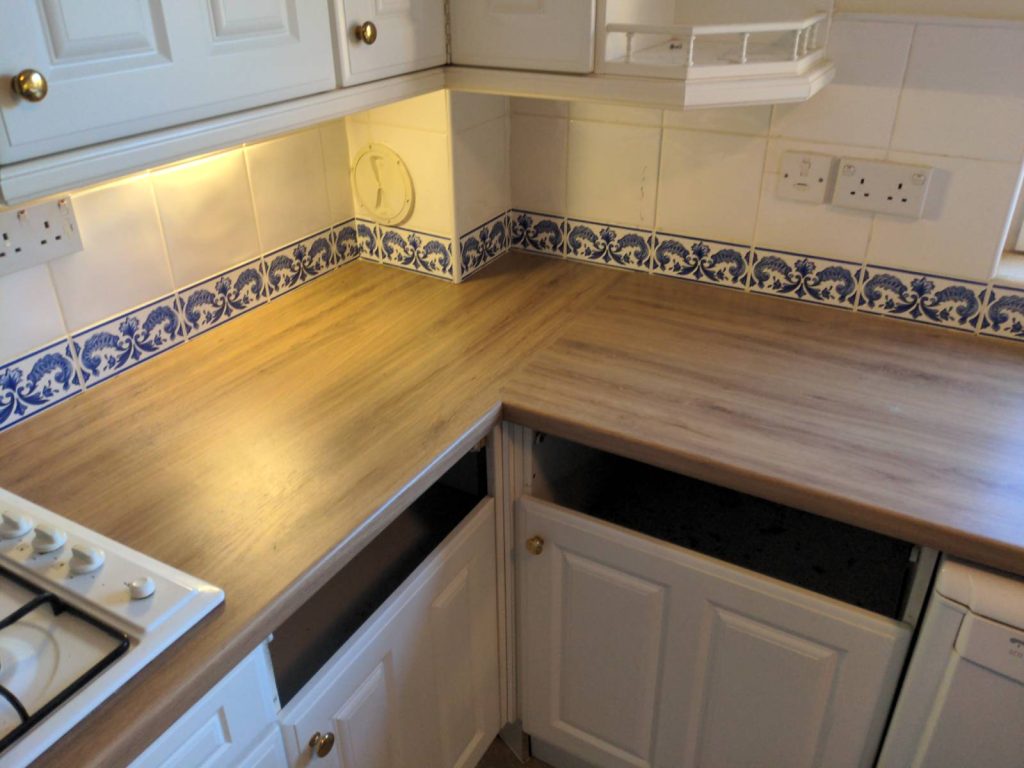
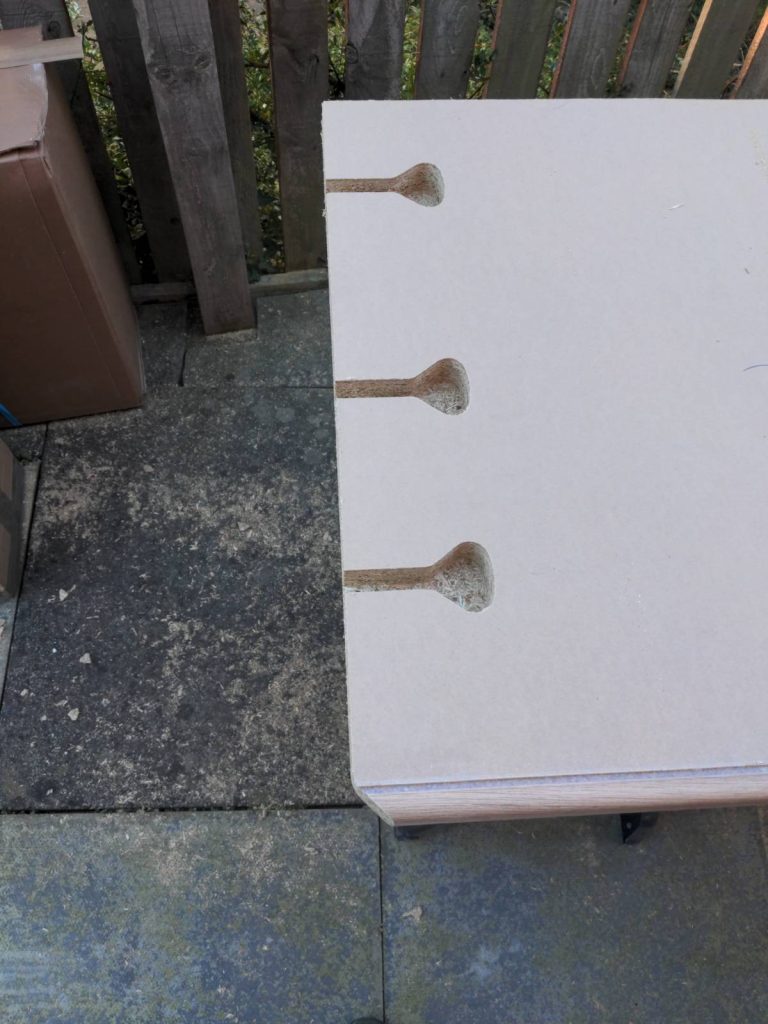
When people picture their dream kitchen, they usually think about colours, doors, and fancy appliances. But if you’ve got a U-shaped worktop, there’s a hidden detail that can make or break the whole thing: the joints.
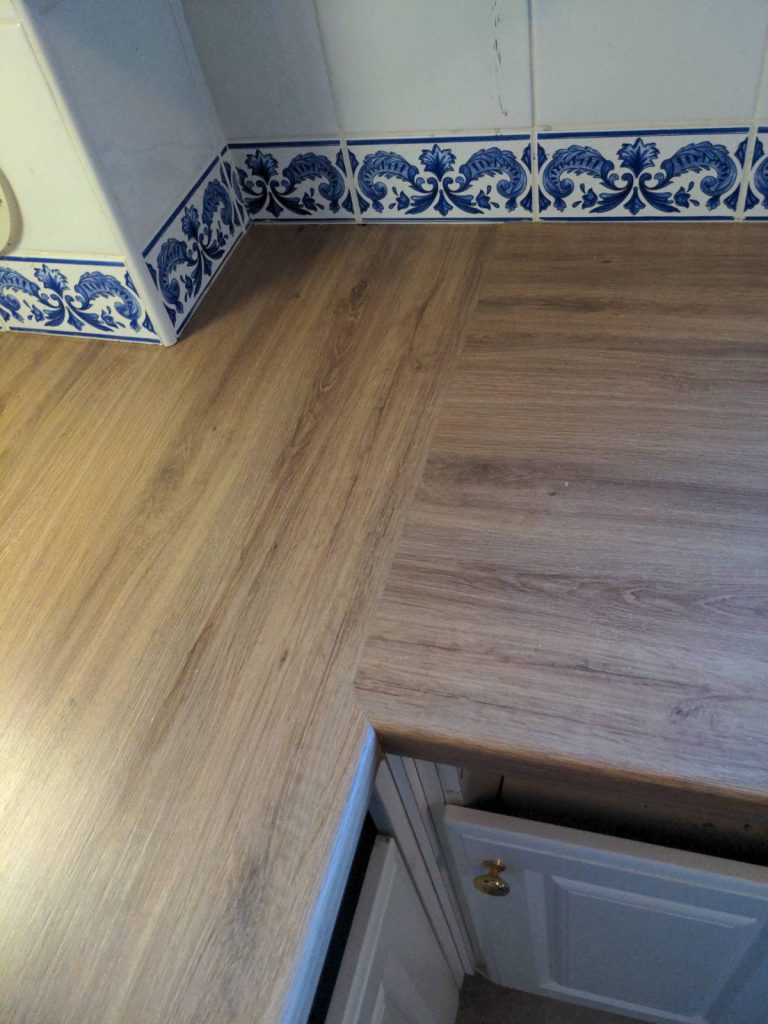
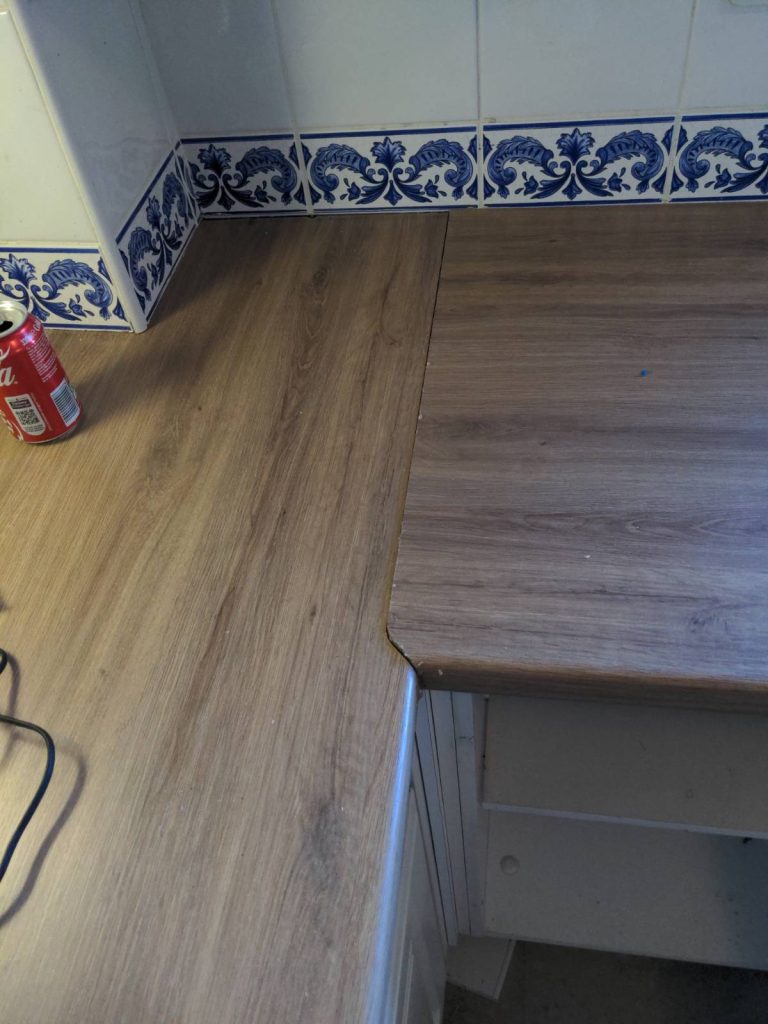
On a U-shape, all the pieces of worktop need to meet perfectly. That means getting every dimension to within better than 1mm accuracy – genuinely. If it’s even slightly out, the worktops won’t meet properly, gaps appear, and the whole kitchen starts to look and feel wrong.
I run a small worktop joinery service where this is exactly what I specialise in. I use:
- Specialised jigs
- Accurate angle measuring tools
- And about 7 years’ experience building kitchens
All of that is aimed at doing one thing: making sure your worktops line up cleanly and stay that way.
The real enemy: water
The other big part of worktop joinery is waterproofing.
I always assemble the joints with silicone glue, and there’s a reason for that:
- Silicone is hydrophobic – it repels water, which is exactly what you want around sinks, ovens and joints.
- You can use specialised superglue, but it’s brittle and hard to clean.
- You can also use PVA glue, which is easy to work with and easy to clean – but it’s hygroscopic, meaning it absorbs moisture.
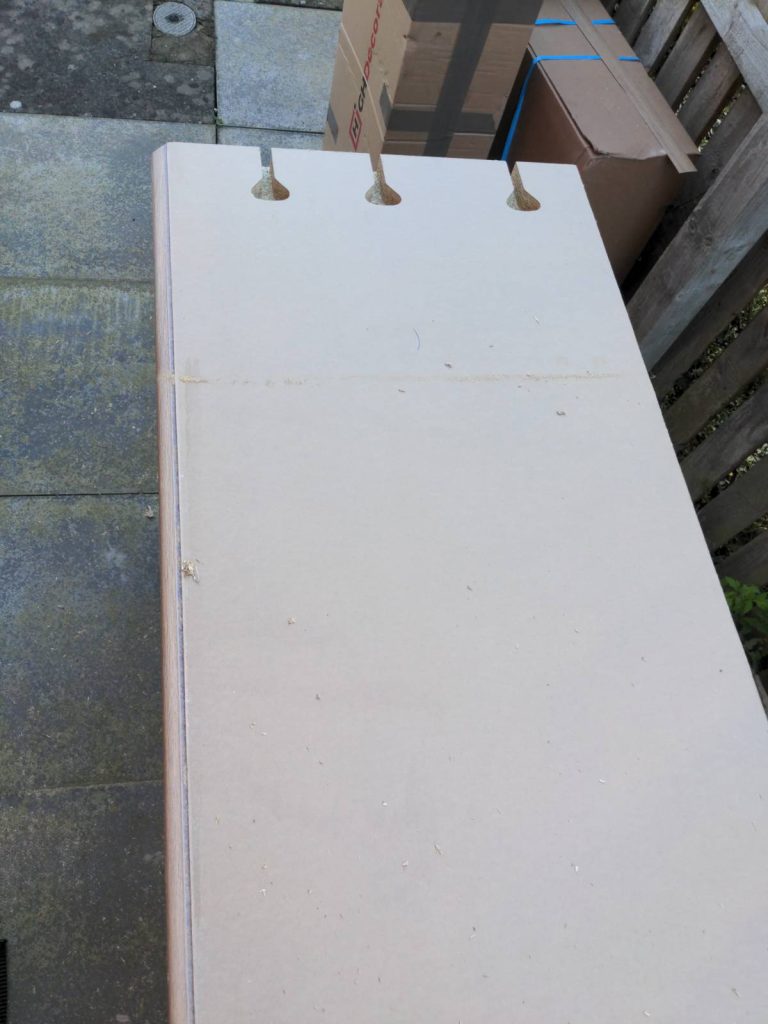
If water gets into the joint, or under the sink or oven, it can soak into the chipboard. The chipboard then swells and expands, which:
- Opens the joint further
- Lets more water in
- Which makes it expand even more
That’s how you go from a tiny bit of water to a blown worktop.
This is why I prefer to use silicone: it stays flexible, repels water, and helps keep those tight, accurate joints protected for the long term.
If you’re planning a U-shaped kitchen, the difference between “that’ll do” and “that’s perfect” is often less than a millimetre – and that’s exactly the space I work in.